Concepts of Nirvana in Buddhism and Jainism
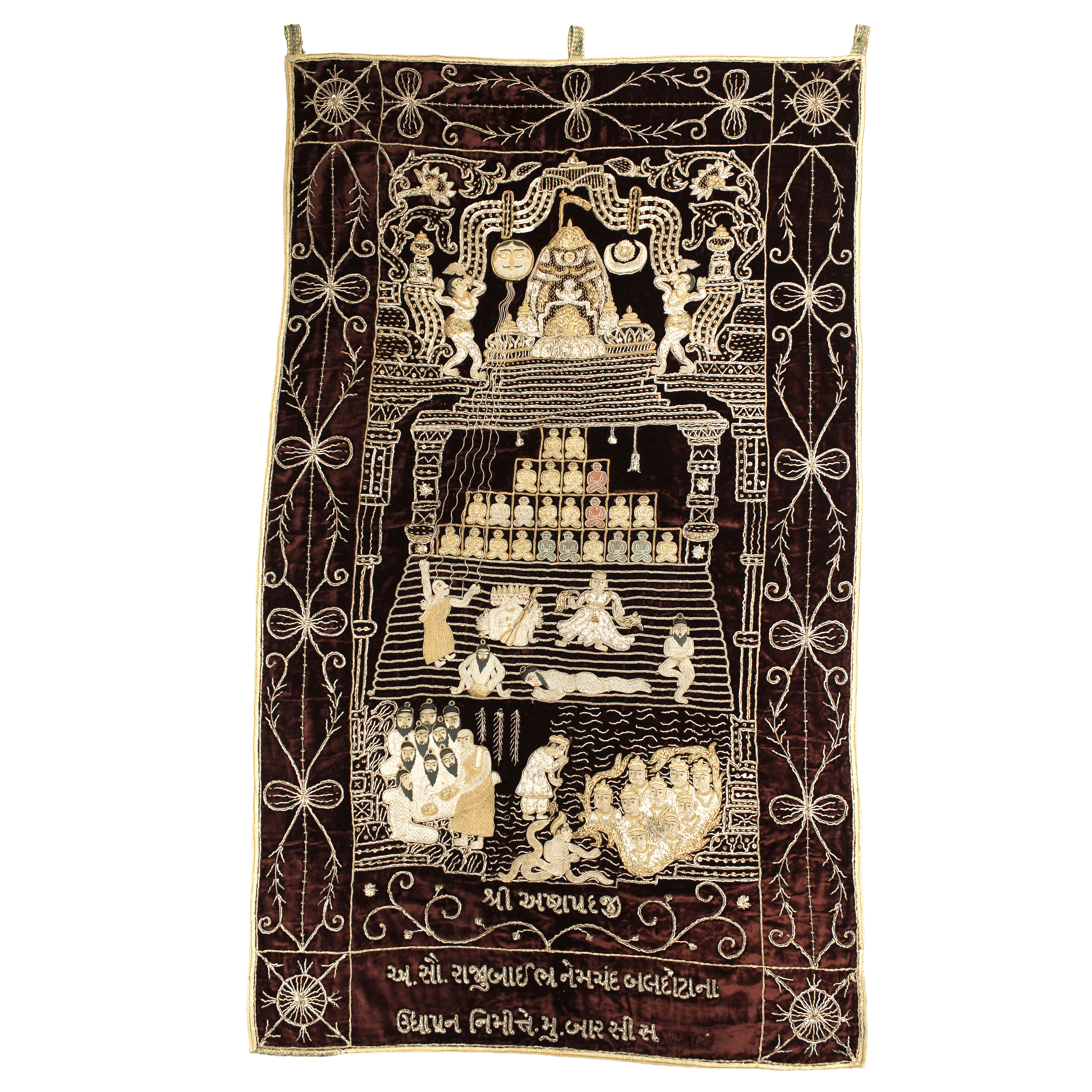
In both Jain and Buddhist traditions, nirvana represents the end of suffering and the ultimate spiritual goal, though they differ in interpretation. For Buddhists, nirvana means extinguishing the ego—seen not as a soul but as an illusion formed by composite parts—leading to liberation from the cycle of suffering. Jains also use the term nirvana to describe the liberation of the Jinas, viewing it as the final conquest over the passions and desires that bind souls to rebirth. Despite theological differences, both see nirvana as a state of bliss and release.
View Transcript
1
1
PERSON

Steven
Vose
Assistant Professor of Jain Studies, Religious Studies, and History
University of Colorado, Denver
2
THEMES