A Vital Matters Artwork: El Arbol de la Muerte: Maquilando Mujeres (The Tree of Death: Factory Women)
El Arbol de la Muerte: Maquilando Mujeres (The Tree of Death: Factory Women)

DESCRIPTION
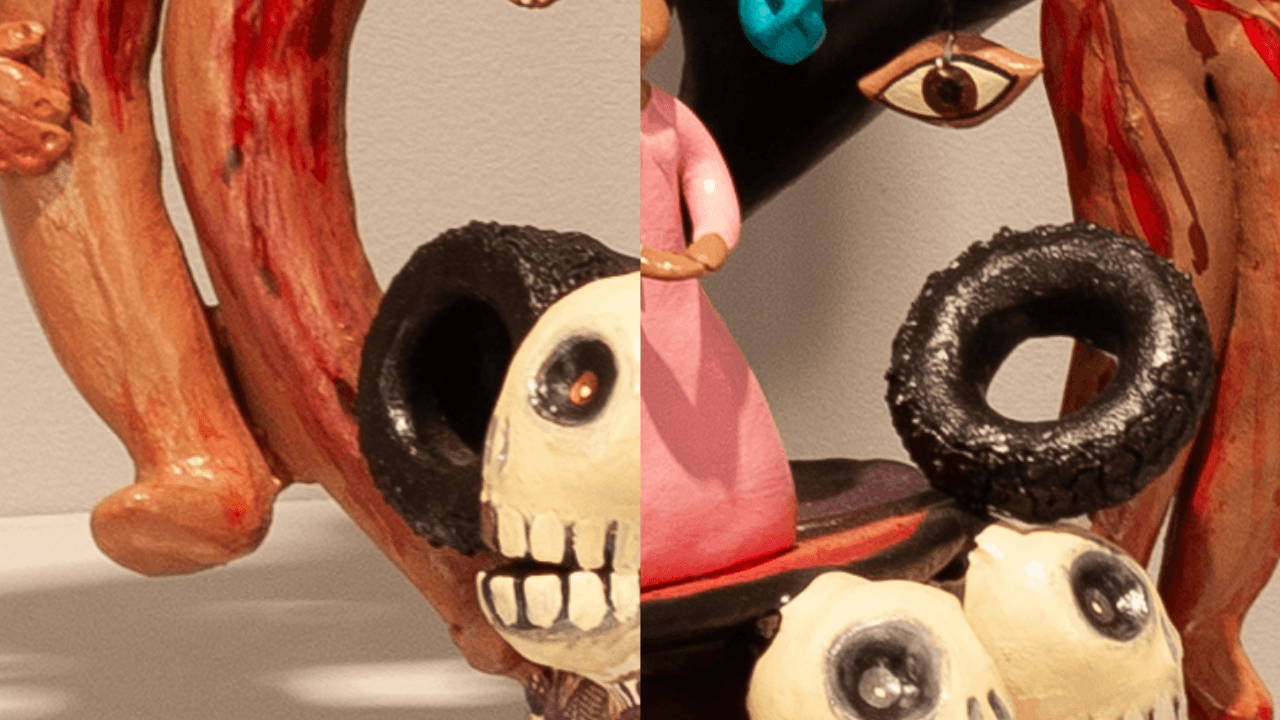
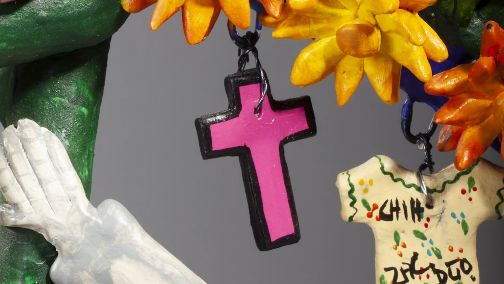
The ceramic Tree of Life is a Mexican popular art tradition and embodies centuries of accumulated symbolism. Trees using death imagery may be placed on Day of the Dead altars to memorialize loved ones. In Tree of Death: Factory Women, Veronica Castillo creates a visual elegy for more than 400 young women and girls who have been brutally murdered since 1993 in Cuidad Juárez on the Mexican border near El Paso, Texas. Sadly, U.S. and foreign-owned border factories and the press has done little to investigate these crimes, and today the murders continue and remain unsolved. Castillo's compelling work is a poignant reminder of the violence that has devastated a community and a moving tribute to the innocent victims of these heinous crimes. It also demonstrates the power of popular art to expand beyond its traditional meaning and to bring public attention to this tragedy. Born into a family of ceramicists in one of Mexico’s most renowned centers of Árbol production, Castillo has received international acclaim for her continuation of the artistic tradition as well as her social and political activism. With El Árbol de la Muerte: Maquilando Mujeres (The Tree of Death: Factory Women), Castillo offers a visual elegy for the hundreds of women and girls who have been brutally murdered in Cuidad Juárez on the Mexican border near El Paso, Texas.Centering on the underreported and largely unpunished killings of female workers lured into U.S. and foreign-owned border factories, El Árbol de la Muerte is draped with mutilated corpses, skeletal remains, and discarded clothing. Merciless killers, men with names that inspire fear, go about their horrific business, while the next shift of unprotected women stands on a roulette wheel of greed, desperation, and violence outside the factory door. Above the blood-drenched tree and blindfolded skull, a circular emblem invokes Coyolxauhqui, the Aztec moon goddess who was dismembered by her brother, the solar god Huitzilopochtli. Here, she has risen to cast light upon the tragedies and force society to recognize the grotesque Árbol that has been nurtured.
v0180
v0179
v0178
v0177
v0176
v0175
v0174
v0173
v0172
v0171
v0170
v0169
v0168
v0167
v0166
v0165
v0164
v0163
v0162
v0161
v0160
v0159
v0158
v0157
v0156
v0155
v0154
v0153
v0152
v0151
v0150
v0149
v0148
v0147
v0146
v0145
v0144
v0143
v0142
v0141
v0140
v0139
v0138
v0137
v0136
v0135
v0134
v0133
v0132
v0131
v0130
v0129
v0128
v0127
v0126
v0125
v0124
v0123
v0122
v0121
v0120
v0119
v0118
v0117
v0116
v0115
v0180
v0179
v0178
v0177
v0176
v0175
v0174
v0173
v0172
v0171
v0170
v0169
v0168
v0167
v0166
v0165
v0164
v0163
v0162
v0161
v0160
v0159
v0158
v0157
v0156
v0155
v0154
v0153
v0152
v0151
v0150
v0149
v0148
v0147
v0146
v0145
v0144
v0143
v0142
v0141
v0140
v0139
v0138
v0137
v0136
v0135
v0134
v0133
v0132
v0131
v0130
v0129
v0128
v0127
v0126
v0125
v0124
v0123
v0122
v0121
v0120
v0119
v0118
v0117
v0116
v0115
v0180
v0179
v0178
v0177
v0176
v0175
v0174
v0173
v0172
v0171
v0170
v0169
v0168
v0167
v0166
v0165
v0164
v0163
v0162
v0161
v0160
v0159
v0158
v0157
v0156
v0155
v0154
v0153
v0152
v0151
v0150
v0149
v0148
v0147
v0146
v0145
v0144
v0143
v0142
v0141
v0140
v0139
v0138
v0137
v0136
v0135
v0134
v0133
v0132
v0131
v0130
v0129
v0128
v0127
v0126
v0125
v0124
v0123
v0122
v0121
v0120
v0119
v0118
v0117
v0116
v0115

v0180
v0179
v0178
v0177
v0176
v0175
v0174
v0173
v0172
v0171
v0170
v0169
v0168
v0167
v0166
v0165
v0164
v0163
v0162
v0161
v0160
v0159
v0158
v0157
v0156
v0155
v0154
v0153
v0152
v0151
v0150
v0149
v0148
v0147
v0146
v0145
v0144
v0143
v0142
v0141
v0140
v0139
v0138
v0137
v0136
v0135
v0134
v0133
v0132
v0131
v0130
v0129
v0128
v0127
v0126
v0125
v0124
v0123
v0122
v0121
v0120
v0119
v0118
v0117
v0116
v0115
v0180
v0179
v0178
v0177
v0176
v0175
v0174
v0173
v0172
v0171
v0170
v0169
v0168
v0167
v0166
v0165
v0164
v0163
v0162
v0161
v0160
v0159
v0158
v0157
v0156
v0155
v0154
v0153
v0152
v0151
v0150
v0149
v0148
v0147
v0146
v0145
v0144
v0143
v0142
v0141
v0140
v0139
v0138
v0137
v0136
v0135
v0134
v0133
v0132
v0131
v0130
v0129
v0128
v0127
v0126
v0125
v0124
v0123
v0122
v0121
v0120
v0119
v0118
v0117
v0116
v0115

v0180
v0179
v0178
v0177
v0176
v0175
v0174
v0173
v0172
v0171
v0170
v0169
v0168
v0167
v0166
v0165
v0164
v0163
v0162
v0161
v0160
v0159
v0158
v0157
v0156
v0155
v0154
v0153
v0152
v0151
v0150
v0149
v0148
v0147
v0146
v0145
v0144
v0143
v0142
v0141
v0140
v0139
v0138
v0137
v0136
v0135
v0134
v0133
v0132
v0131
v0130
v0129
v0128
v0127
v0126
v0125
v0124
v0123
v0122
v0121
v0120
v0119
v0118
v0117
v0116
v0115



ADDITIONAL RESOURCES