Ifugao Customary Law and the Role of Amama-a (Wise People)
Marlon Martin explains that Ifugao customary law relies on recognized community advisors known as amama-a, or wise people, rather than elders defined by age or gender. Individuals earn this recognition through their deep knowledge and understanding of customary law, and mumbaki often serve in this role because of their strong command of ancestral practices and precedents. When conflicts arise—particularly disputes over land, territory, or natural resources—a council of knowledgeable men and women convenes to interpret customary law and reach a binding decision. This system prioritizes peaceful resolution and reconciliation over punishment, making it more effective than formal courts in maintaining community harmony. For this reason, Ifugaos continue to trust customary law, especially in matters involving forests and rice terraces, viewing national legal systems as external impositions that can undermine traditional practices.
View Transcript
1
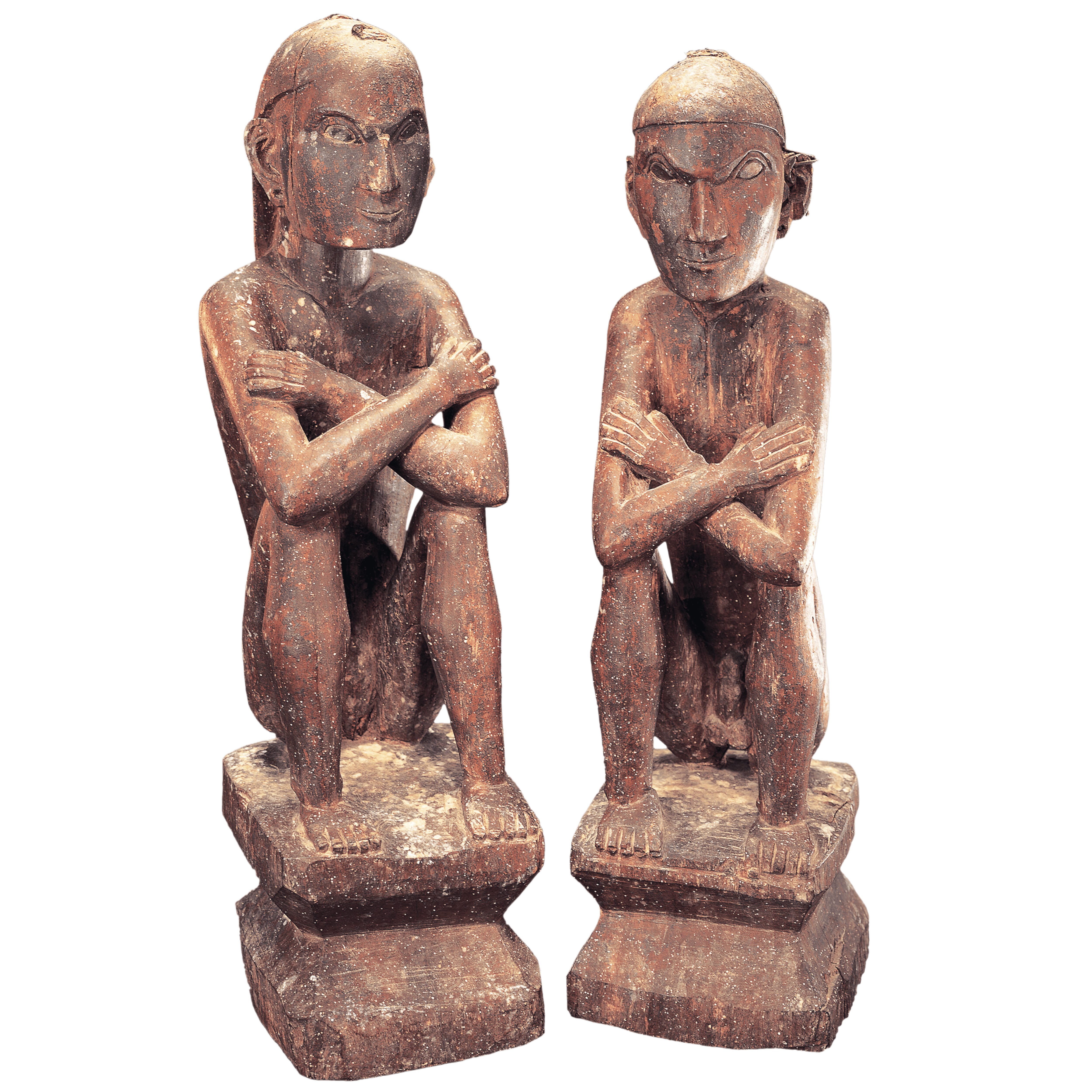
Rice granary guardian male and female figures (bululs)
Attributed to the carver Taguiling
1
PERSON
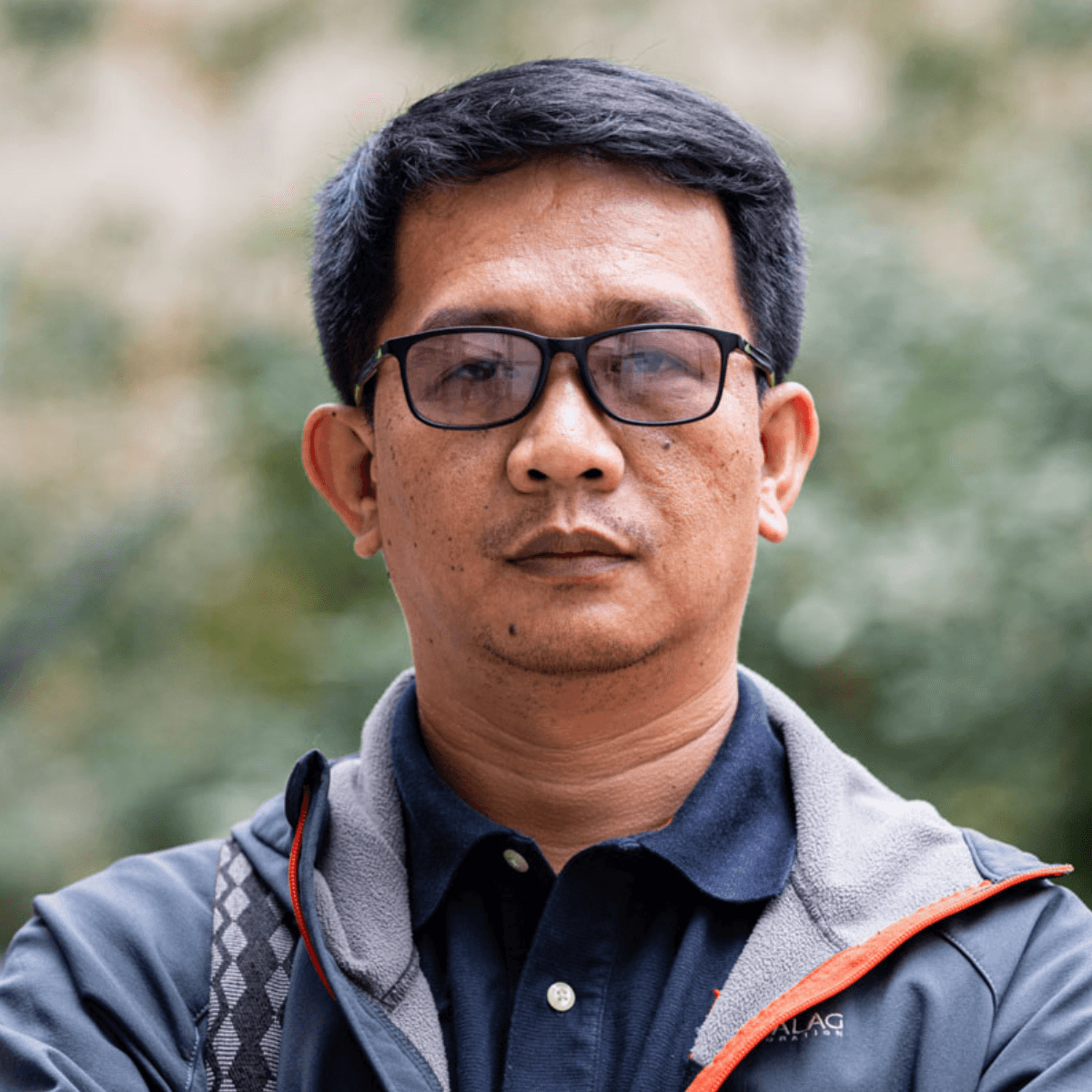
Marlon
Martin
Executive Director of Save the Ifugao Terraces Movement
Co-director of Ifugao Archaeological Project
3
THEMES